Cart
0

Most homes don’t lack space-they lack systems. That’s the uncomfortable truth. You can have a big house and still feel overwhelmed every morning just trying to find things. Organization isn’t about buying more storage boxes; it’s about creating a structure that works with your lifestyle, not against it.
This blog is your practical blueprint to building a home that feels calm, functional, and easy to maintain. Whether you're a working professional, a busy parent, or someone tired of constant clutter, this guide will help you rethink how your space works. Inspired by smart storage and home solutions like those from Claspo Store, we’ll break down actionable steps to help you organize smarter-not harder.
1. Start with Function, Not Aesthetics
Most people make the mistake of organizing for Instagram, not real life.
Before buying anything, ask:
-
What do I use daily?
-
What causes the most mess?
-
Where do I waste time searching?
Your kitchen, for example, should prioritize accessibility over looks. Keep frequently used items within arm’s reach. Store rarely used appliances away.
Pro Tip: If it takes more than 5 seconds to access something you use daily, your system is broken.
2. Apply the “Zone-Based” Organization Method
Instead of organizing by category, organize by activity zones.
Examples:
-
Entryway → Keys, bags, shoes
-
Kitchen → Cooking zone, cleaning zone, snack zone
-
Bedroom → Sleep zone, dressing zone
This reduces movement and mental effort.
How to do it:
- Identify daily activities in each room
- Assign a fixed zone for each
- Store only relevant items in that zone
This simple shift instantly makes your home feel more intuitive.
3. Use Vertical Space Like a Pro
Most homes underutilize vertical space by up to 60%.
Think beyond shelves:
- Wall-mounted racks
- Hanging organizers
- Stackable storage units
For example, in small kitchens or bathrooms, vertical storage can double your usable space without adding clutter.
Expert Insight: Vertical organization is what separates a “clean home” from a “highly functional home.”
4. Declutter with a Decision System (Not Emotion)
Decluttering fails when it becomes emotional.
Use this 3-question system instead:
- Have I used this in the last 90 days?
- Would I buy this again today?
- Does this item earn its space?
If the answer is “no” twice, it goes.
Avoid this trap: Keeping things “just in case.” That’s how clutter quietly grows back.
5. Invest in Smart Storage (Not More Storage)
Buying random containers won’t solve clutter. The goal is intentional storage.
Look for:
- Multi-purpose organizers
- Modular systems
- Stackable, space-saving designs
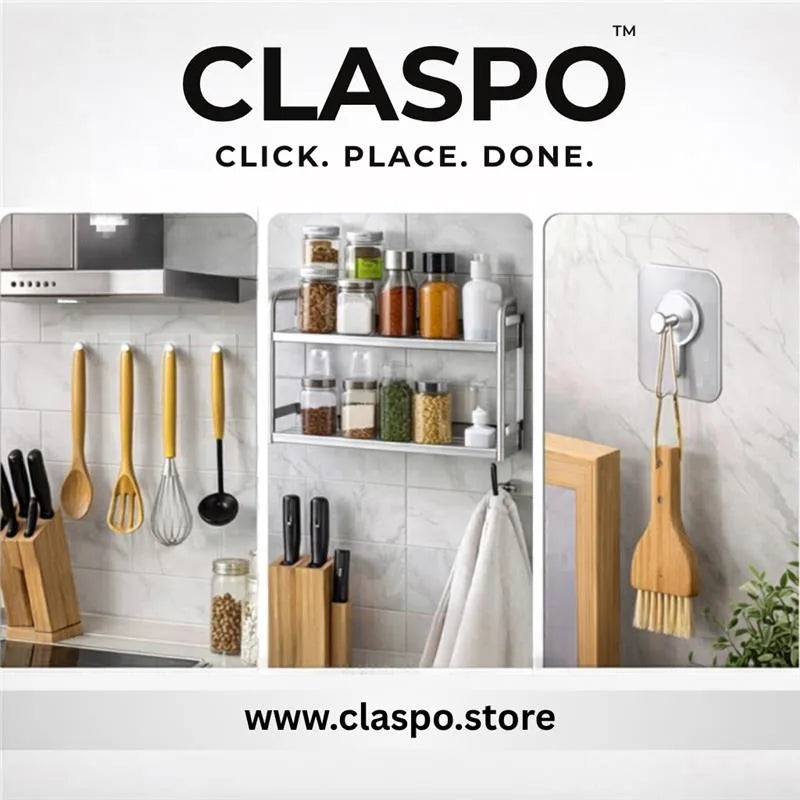
Platforms like Claspo Store focus on practical, modern solutions that actually improve daily usability-not just aesthetics.
Example: A well-designed drawer organizer can save you minutes every day-which adds up over time.
6. Build a 10-Minute Daily Reset Routine
Organization isn’t a one-time project-it’s a habit.
Every day:
-
Put items back in their zones
-
Clear visible surfaces
-
Reset key areas (kitchen, living room)
Set a timer for 10 minutes. That’s it.
Reality check: A perfectly organized home that isn’t maintained becomes cluttered again in days.
7. Make It Easy to Maintain (This Is Where Most Fail)
If your system is hard to follow, it won’t last.
Ask yourself:
-
Can anyone in my home follow this system?
-
Is it faster to maintain than to ignore?
If not, simplify it.
Golden Rule: Organization should reduce effort-not create more of it.
Conclusion
A perfectly organized home isn’t about perfection-it’s about clarity, efficiency, and ease. When every item has a purpose and place, your daily life becomes smoother and less stressful. Start small, build systems, and focus on what truly matters: functionality over appearance.
So here’s the real question-what’s the one area in your home that, if organized today, would instantly improve your daily routine?